Empowering Communities for a Sustainable Future
Inspiring nature protection for a better world
Environmental Eco-Guardian Alliance
"
"


Gallery



Shared Land, Last Stand: Protecting Our Climate Guardians Before It Is Too Late
World Elephant Day, observed on August 12, highlights the importance of preserving Earth’s largest land mammals. Elephants support ecosystems by dispersing seeds, creating water sources, and shaping landscapes. Their role as "Climate Guardians" is especially vital in Cameroon, where rainforests and savannas converge. As rising temperatures and habitat loss threaten elephants globally, Cameroon has become a key area for their conservation. In villages where people and elephants share limited space, innovative approaches are demonstrating that protecting these animals also means rethinking how we coexist in a changing climate.
CLIMATE CHANGE IS REWRITING THE FATE OF ELEPHANTS
Elephants are cultural icons and essential to healthy ecosystems. They help combat climate change by dispersing seeds and sustaining carbon-rich forests. However, they now face survival challenges due to a rapidly warming climate. Shifting weather patterns disrupt their natural behaviors and threaten their populations. Their struggle highlights the urgent need for action, beginning with support for the communities living alongside them.
CALL TO ACTION
The survival of Cameroon’s elephants now relies on innovative initiatives in local villages. Baka hunters, previously regarded as poachers, now patrol protected forests. Mbororo herders use SMS alerts to track elephant migrations instead of traditional methods. Deng Deng-Belabo farmers plant buffer crops to protect their fields and support their families. These communities are advancing conservation by collaborating with the elephants in their region. As World Elephant Day approaches, we encourage you to take action by:
Highlight the essential connection between elephants and the climate system.
Strengthen anti-poaching laws and promote sustainable land use.
Integrate elephant habitats into national climate strategies.
Encourage collaboration among villages, governments, and international partners to support both community well-being and elephant conservation, strengthening global ecological resilience.
On World Elephant Day, we must decide whether to let elephants disappear or unite to protect them and their habitats as climate change intensifies. The future of these vital species depends on us. By leveraging community knowledge, effective protection, and climate-smart conservation, we can ensure a future where people and elephants thrive. Their call reminds us of our shared responsibility. Let us act now.
Our Locations
Eega is dedicated to fostering sustainable communities through education and advocacy, promoting responsible stewardship of natural resources for a healthier planet.
Address
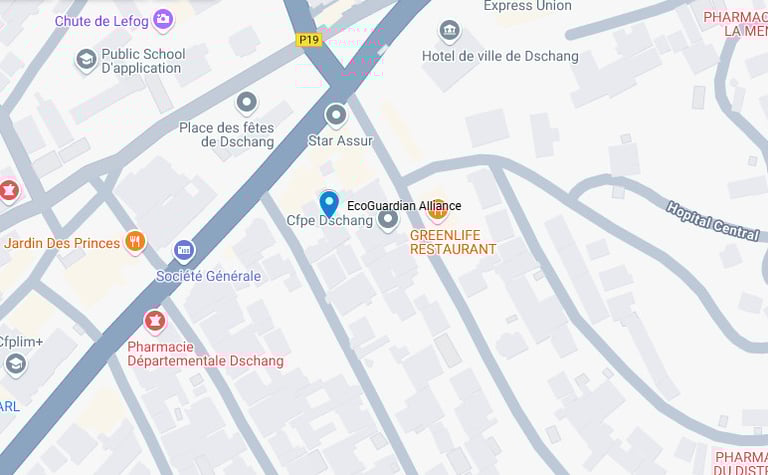
Dschang, Cameroon
Hours
9 AM - 5 PM